
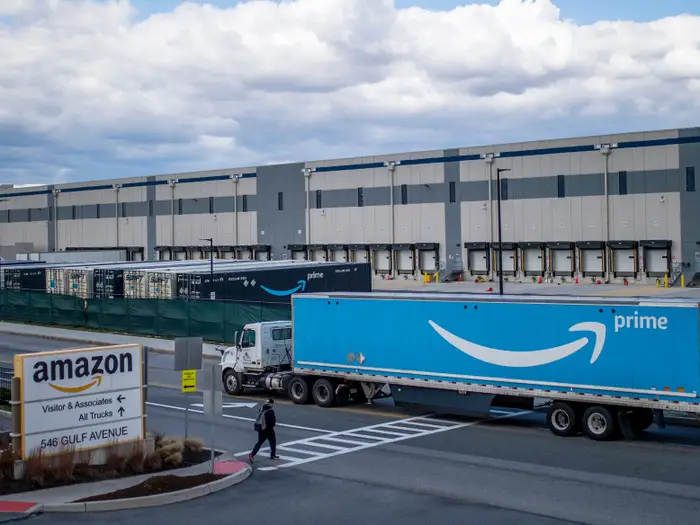
Amazon FBA and a third-party logistics provider (3PL) both store your inventory and ship your orders, but they differ in cost structure, control and which channels they serve well. This guide breaks down the current FBA fees and rules, what a 3PL adds, and how to decide between FBA, a 3PL or both.
Quick answer
FBA fits brands where Amazon is most of the business and products are eligible, predictable and don’t need custom packing. A 3PL fits brands selling mainly on Shopify, other marketplaces or wholesale, or that need custom packouts and kitting. A hybrid, with reserve stock at a 3PL feeding FBA in batches, fits brands with real Amazon volume plus seasonal peaks, slow movers or meaningful sales elsewhere.
What FBA and a 3PL actually do
- Amazon FBA (Fulfillment by Amazon) fulfills orders placed in Amazon’s store. You send eligible inventory into Amazon’s network, and Amazon stores it, picks, packs and ships orders, and handles customer service and returns under its FBA policies.
- A 3PL is an outside partner that handles receiving, storage, picking, packing, shipping and carrier coordination. Which channels and extra services it supports depends on the provider and the contract.
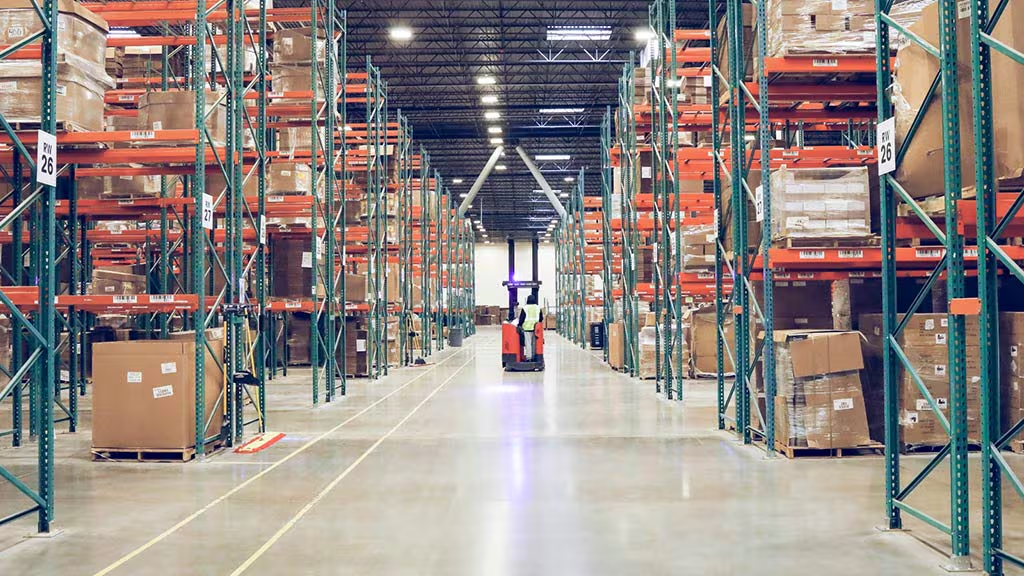
FBA fees: what you actually pay
FBA is not one all-in fee. These are separate charges under Amazon’s U.S. rules as of November 2026:
| Fee | How it works |
|---|---|
| FBA fulfillment fee | Per unit, based on product type, size tier and shipping weight. Separate low-price and holiday peak tables apply. A 3.5% fuel and logistics surcharge was added April 17, 2026. The current peak window runs October 15, 2026 to January 14, 2027. |
| Monthly storage fee | Based on the average cubic feet your units occupy each month. Rates vary by size and season. A storage utilization surcharge can apply based on how much you store compared with how much you ship. |
| Aged inventory surcharge | Charged on top of storage for stock aged 181 days or more, measured on the 15th of each month. Rates rise with age. |
| Low-inventory-level fee | Charged on eligible units when your days of supply drops below 28 days on both the 30-day and 90-day measures. The calculation changes February 1, 2027. |
| Inbound placement fee | Per unit, for distributing your inventory across Amazon’s network. Sending to fewer receiving locations generally costs more. |
| Returns processing fee | Charged per returned unit for apparel and shoes, and above a category return-rate threshold for other categories. |
| Capacity limits | Not a fee, but a cap on space. If on-hand and inbound inventory exceed your limit, Amazon can block new inbound shipments. |
Coming in 2027: Amazon has published a single unified monthly storage fee starting February 2027, replacing the storage-plus-aged-surcharge structure. Check the new schedule before planning next year’s costs.
FBA rules that catch sellers off guard
- Eligibility: being allowed to list a product does not make it FBA-eligible. Batteries, aerosols and alcohol-based fragrances can trigger dangerous goods review, and Amazon may ask for a Safety Data Sheet.
- Prep and labeling: Amazon discontinued its U.S. FBA prep and labeling services on January 1, 2026. You, your manufacturer or a prep partner must do this before sending inventory. See Amazon FBA prep.
- Barcodes: Amazon ended commingling on March 31, 2026 and changed who can use manufacturer barcodes. Check eligibility by SKU rather than reusing an old rule.
- Receiving delays: units are not sellable the day the carrier delivers them. Track availability in Seller Central and build a buffer into replenishment. Missing or incorrect prep can delay receiving or get inventory refused.
Can FBA ship your Shopify and TikTok Shop orders?
Yes, through Multi-Channel Fulfillment (MCF), which uses your FBA inventory to ship orders placed outside Amazon. Amazon offers Shopify and TikTok Shop integrations. Things to know:
- MCF has its own fulfillment rate card; storage and removals follow FBA fees.
- The default is unbranded Amazon packaging. You can customize the merchant name and packing slip text, and certified products can ship in their own packaging, but you can’t choose custom inserts per order.
- Unbranded packaging doesn’t stop Amazon Logistics from delivering. Walmart Marketplace doesn’t approve Amazon Logistics as a carrier, so it must be blocked for Walmart orders. Blocking it can delay orders if no other carrier is available.
Where a 3PL gives you more control
Confirm these in the contract, since not every 3PL offers all of them:
- Custom packouts: branded mailers, tissue and inserts by channel or order type.
- Channel routing: pooling stock, reserving units for specific channels, and choosing carriers by order.
- B2B and wholesale: case and pallet orders, retailer routing and labeling guides, EDI and freight scheduling.
- Kitting: assembling sets on demand, inspecting or relabeling units, and holding stock before it goes into FBA. See kitting and bundling.
Seller Fulfilled Prime with a 3PL
Using a 3PL does not give you the Prime badge. Seller Fulfilled Prime (SFP) is a separate program the seller must qualify for:
- To enroll: a Professional account, a U.S. default shipping address, and in the prior 90 days at least 100 seller-fulfilled packages, cancellations below 2.5%, valid tracking above 95% and late shipments below 4%.
- The trial: four weeks, at least 100 Prime trial packages, consistent weekly shipping and meeting trial performance requirements.
- Ongoing: weekly review, with 93.5% on-time delivery, 99% valid tracking and cancellations at or below 0.5%. Amazon can limit Prime volume if you ship fewer than 100 SFP packages a month.
A 3PL can set cutoffs and weekend staffing, arrange carrier pickups, upload tracking and ship from a location that meets delivery promises. The seller account stays responsible for qualifying and performance.
The hybrid model: a 3PL feeding FBA
Many brands keep reserve and seasonal stock at a 3PL, which preps it and sends smaller batches into FBA as needed. The same stock can also cover Shopify, other marketplaces and wholesale.
- Why: less inventory at Amazon means lower FBA storage volume, less aged-inventory exposure and less of your capacity limit used.
- What it costs: 3PL storage, receiving and prep, extra freight and placement fees. Inbound FBA shipments still count against capacity.
- The risk: sending too little triggers low-inventory-level fees or stockouts. Set reorder points based on demand over the full prep-to-sellable lead time, plus a buffer.
How to decide
Use these as starting points, then compare margin by SKU and channel at normal and peak volume, with real returns and real package dimensions.
| Model | Consider it when |
|---|---|
| FBA only (plus MCF for other channels) | Amazon is most of your orders, SKUs are eligible and predictable, and you don’t need custom packing or much wholesale handling. |
| 3PL only | Shopify, other marketplaces or wholesale is the main business, or custom packouts, kitting, special handling or stock allocation matter. If Prime is essential, check SFP qualification separately. |
| Hybrid | Amazon volume justifies FBA for fast movers, but you also have seasonal peaks, slow movers, significant off-Amazon sales or wholesale requirements. |
Common misconceptions
- “FBA is one all-in fee.” Fulfillment, storage, placement, inventory and returns fees are separate. Compare total cost, not FBA’s pick-and-ship fee against a 3PL’s full quote.
- “Amazon can’t ship my Shopify or TikTok Shop orders.” MCF can, though each channel’s carrier and delivery rules still apply.
- “A 3PL gets me Prime automatically.” You still have to enroll in SFP, pass the trial and keep up performance.
- “Keep as little stock at Amazon as possible.” Too little can trigger low-inventory fees or leave you out of stock while replenishment is received.
Frequently asked questions
Is a 3PL cheaper than Amazon FBA?
It depends on your products, volume and channels. Compare the total cost of each, including FBA storage, placement, aged inventory and returns fees, against a 3PL’s full quote at your real volume.
Can I use a 3PL and FBA at the same time?
Yes. Many brands keep reserve stock at a 3PL and send smaller batches into FBA, while the 3PL also ships orders from other channels.
Does Amazon still prep and label FBA inventory?
No. Amazon discontinued U.S. FBA prep and item labeling services on January 1, 2026. The seller, manufacturer or a prep partner must handle it.
Can a 3PL ship Prime orders?
Yes, through Seller Fulfilled Prime, but the seller must qualify, pass the trial and maintain Amazon’s performance standards.
What is Amazon Multi-Channel Fulfillment?
MCF uses inventory stored in FBA to ship orders from other channels, such as Shopify and TikTok Shop, with its own fee schedule.
Amazon fees and policies change often. This guide reflects U.S. rules as of November 2026; check Seller Central for current rates before making decisions.